4 hr
Kabuki Performance at Ginza's Kabukiza Theatre
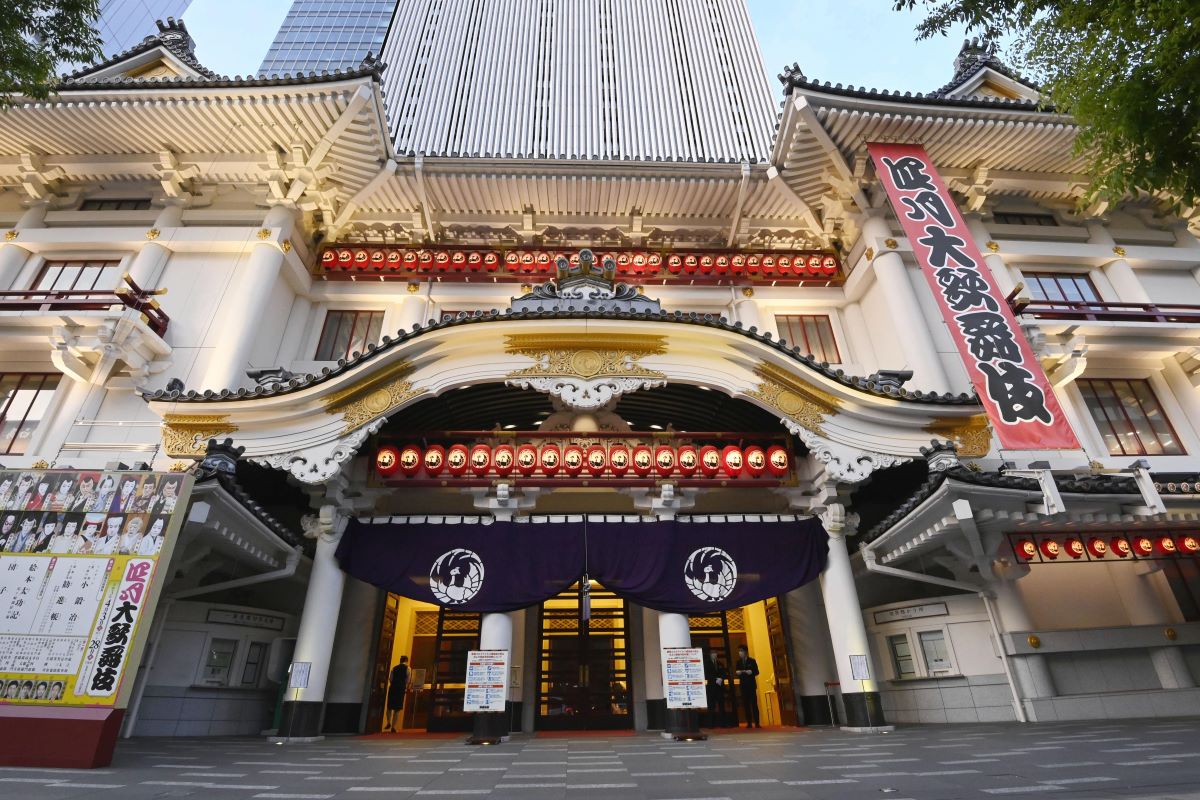
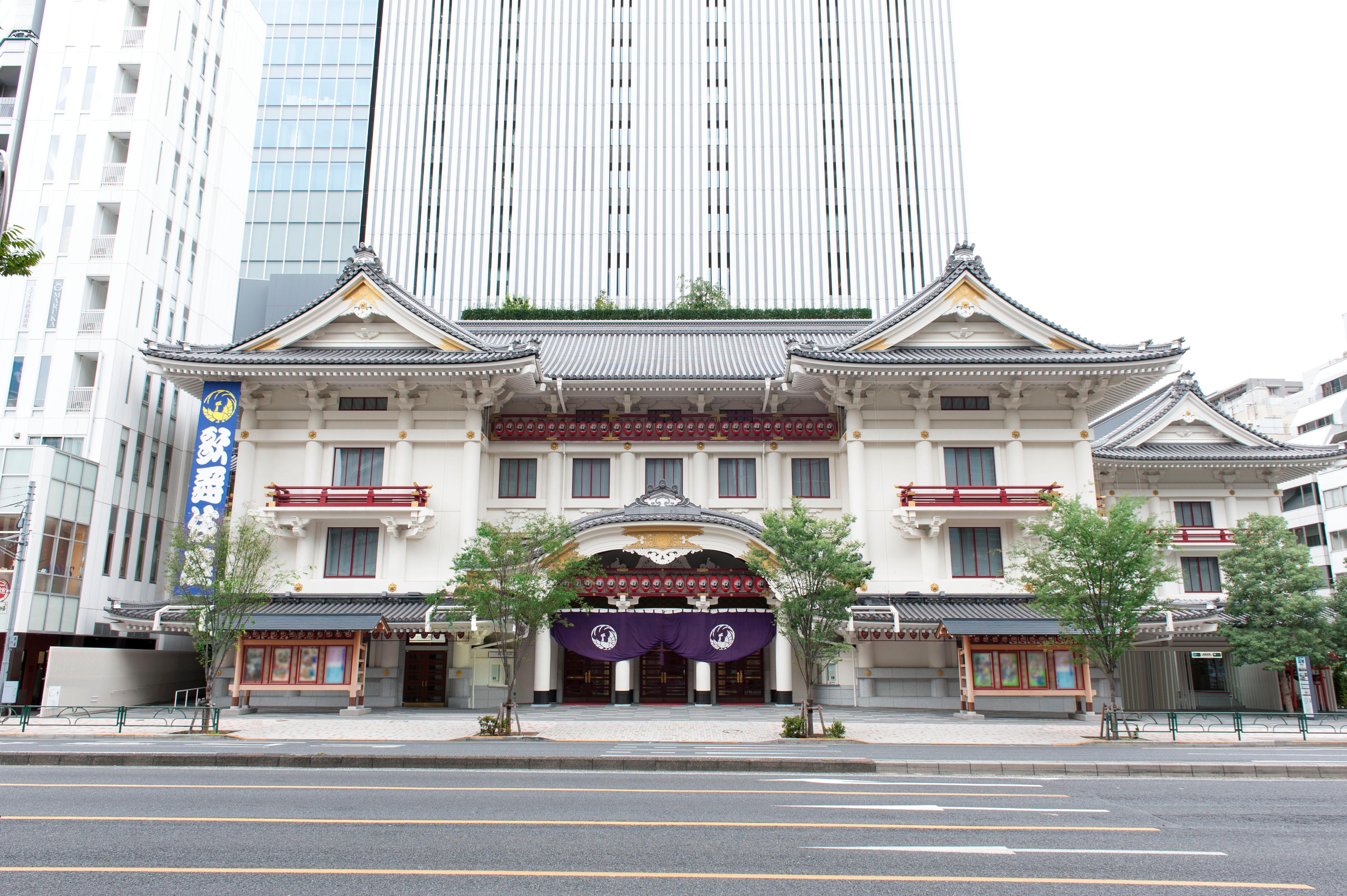
Witness Japan's legendary theatrical tradition at the world's premier Kabuki venue with multilingual captions
Reserve
Four centuries of theatrical tradition, presented daily in Ginza's landmark playhouse
Hand-picked by our editors — only the best 6 kabuki experiences from 24 reviewed
Verified partners for Kabuki Show Tokyo tours, free cancellation where available, and instant confirmation on every booking.
4 hr
Witness Japan's legendary theatrical tradition at the world's premier Kabuki venue with multilingual captions
Reserve
2 hr
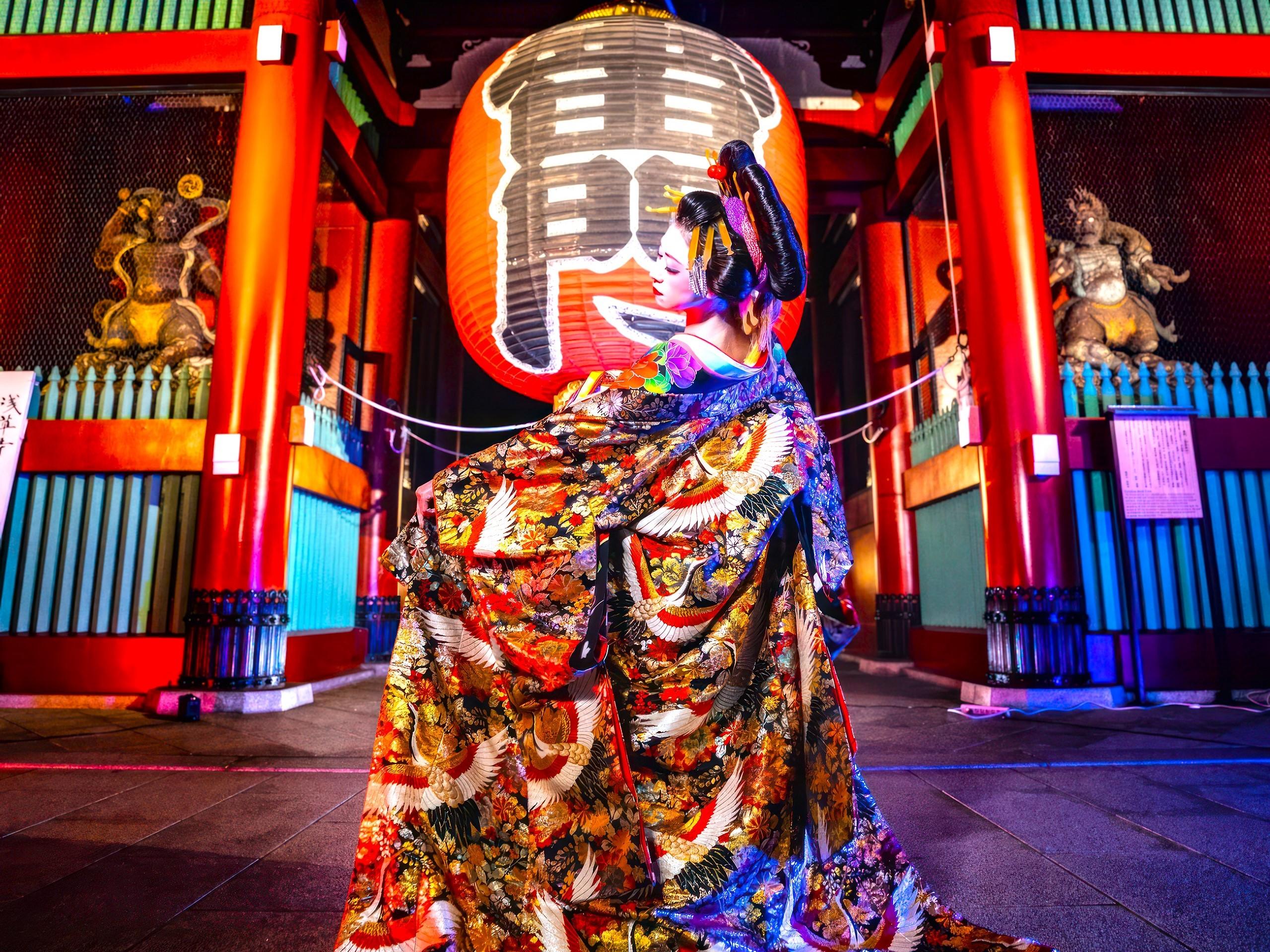
Watch traditional Japanese dance fused with modern beats at this one-hour cabaret show in historic Asakusa
Reserve
1 hr 30 min
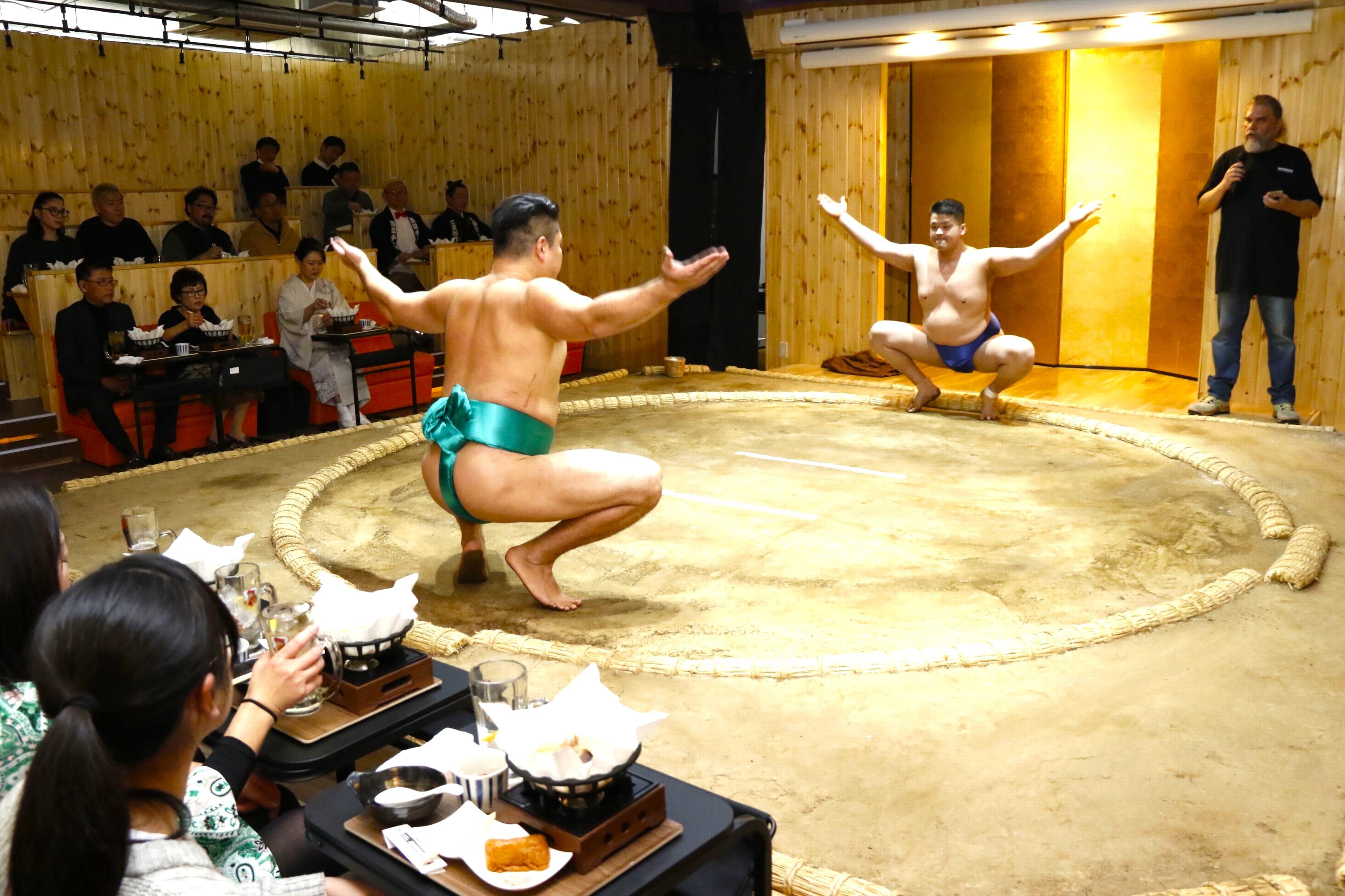
Watch retired pros wrestle in a real ring, try sumo yourself, meet geisha, and feast on endless chanko-nabe
ReservePrices from verified partners. Availability updates in real time at checkout. Free cancellation policies apply where shown.
The landmarks, rooms, and views travelers on Kabuki Show Tokyo tours remember — all visible on a single visit.
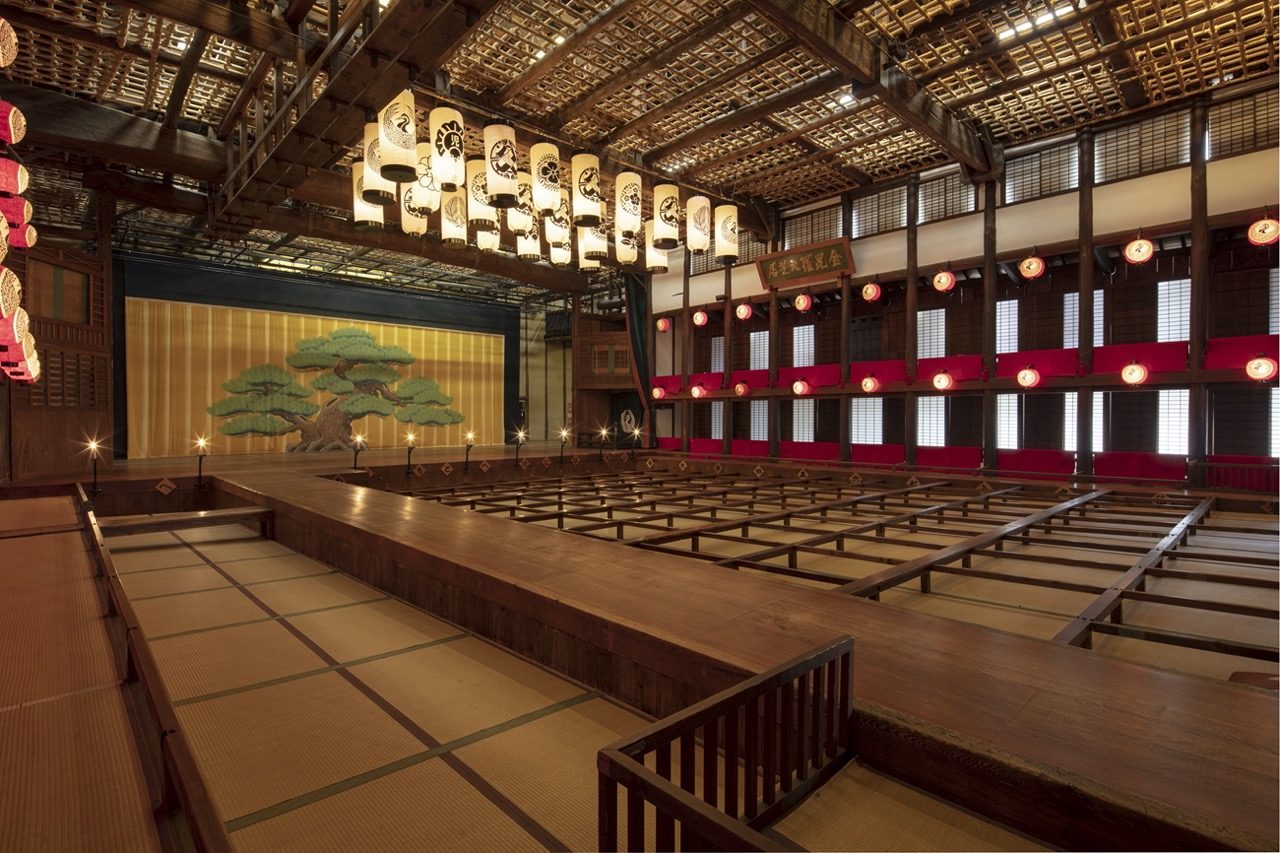
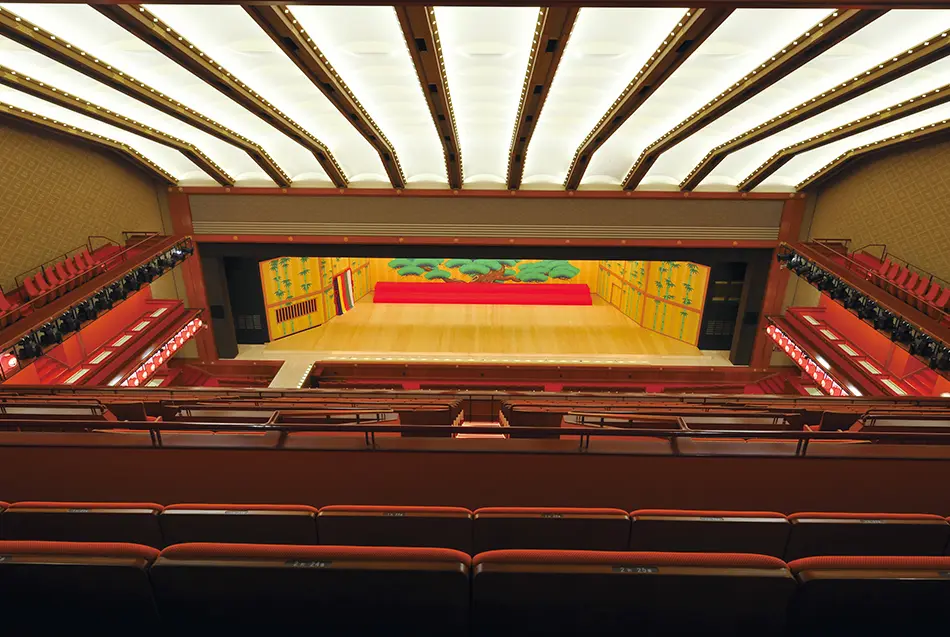
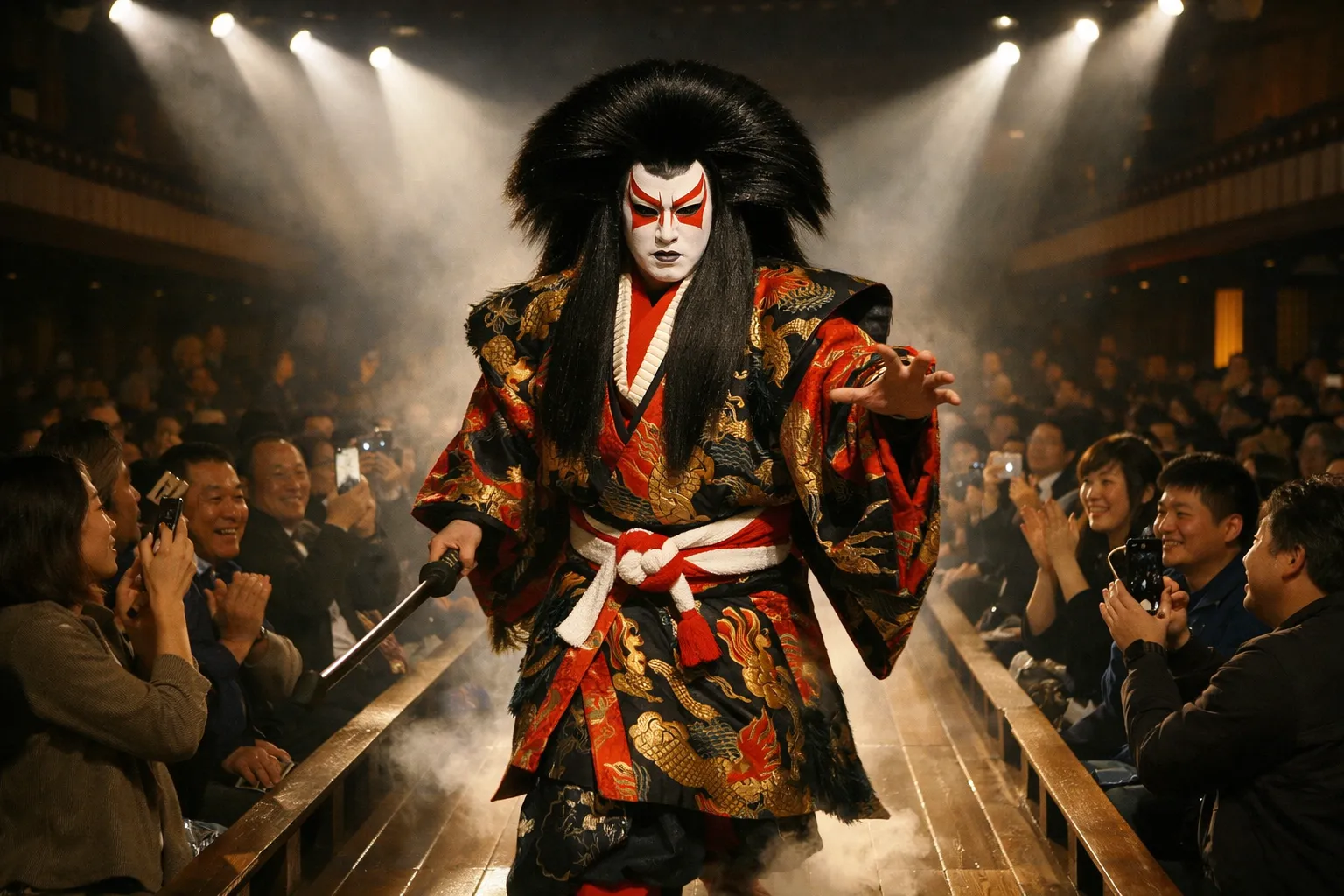
The primary performance area features a revolving stage and a hanamichi walkway. This historic setup allows actors to pass through the audience for dramatic effect.
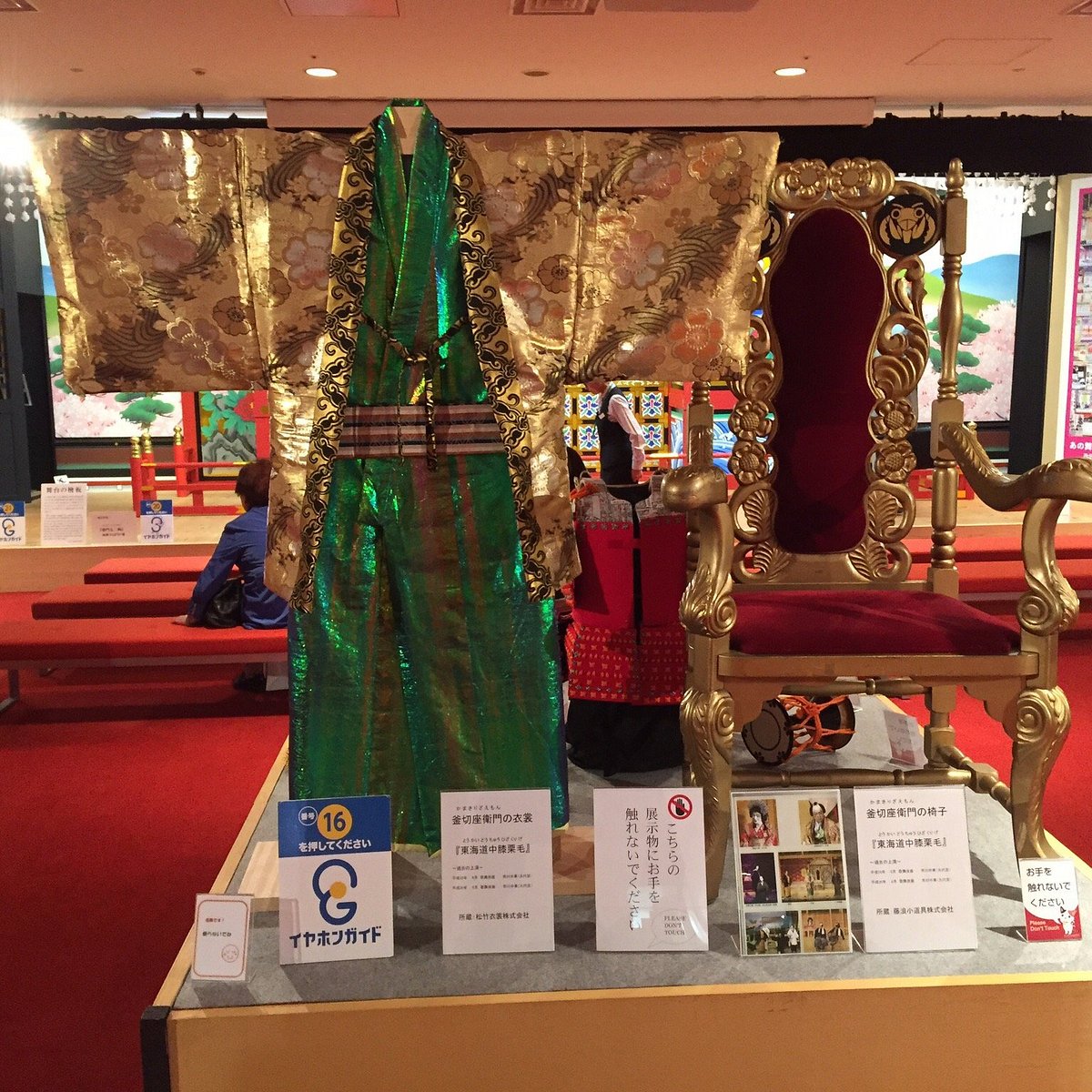
This space displays authentic costumes and stage props used in past productions. It provides context for the history of this Tokyo landmark.
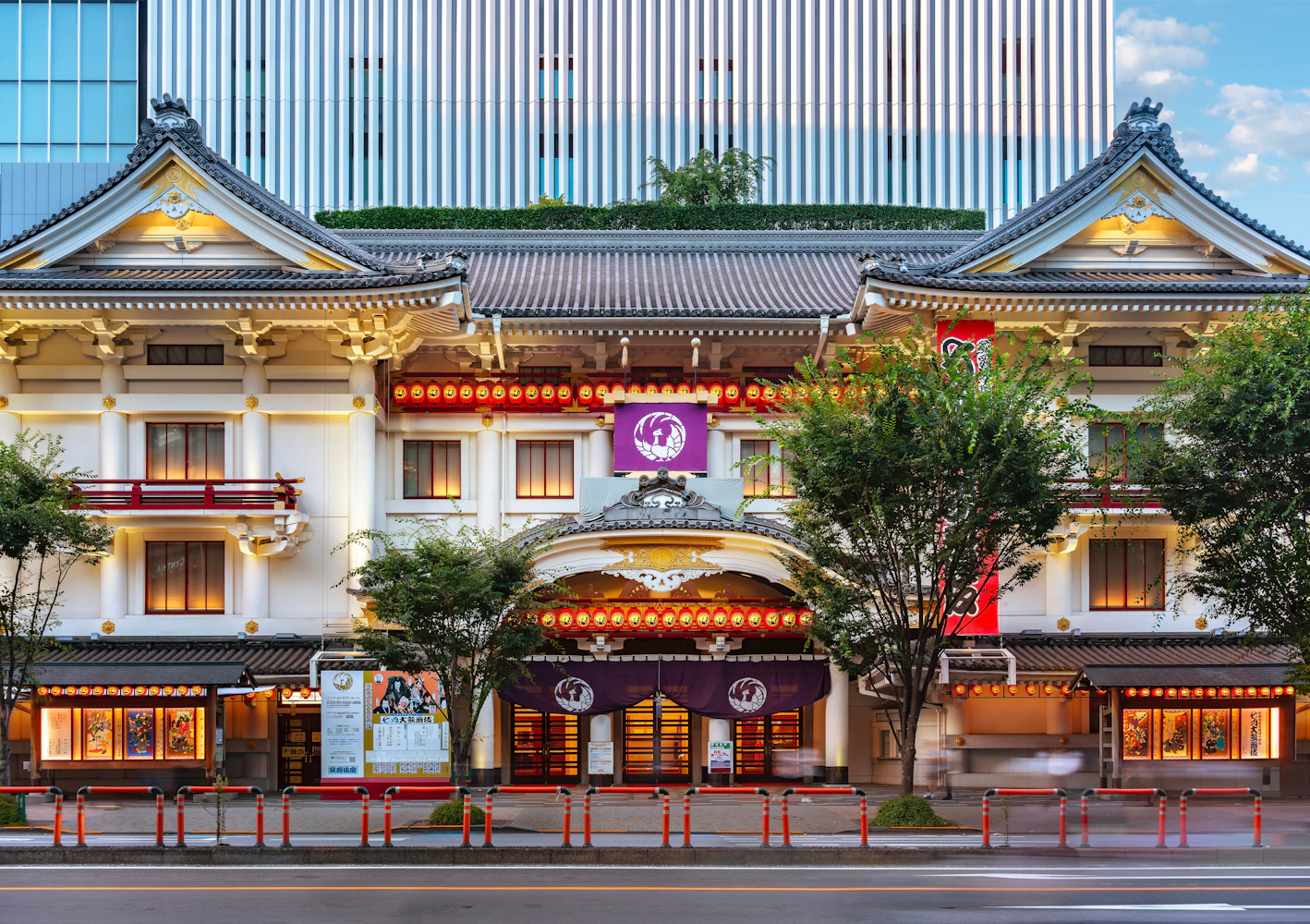
The grand lobby serves as the central hub for ticket collection and souvenir shopping. It displays ornate Japanese architectural details.
This iconic elevated runway extends through the audience to the stage. It is where actors make dramatic entrances and exits.
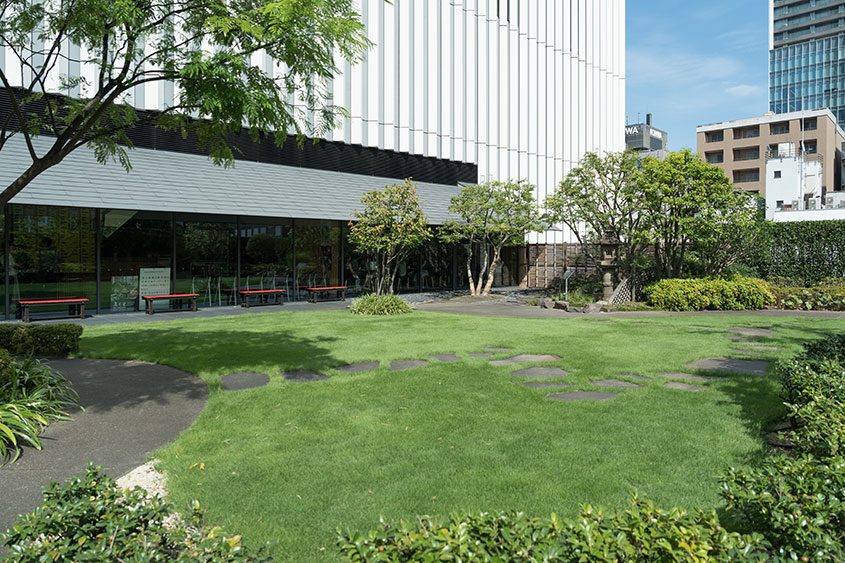
This quiet outdoor space offers a view of the surrounding Ginza district architecture. It is a relaxing area to visit between performances.
Every Kabuki Show Tokyo tour side-by-side — duration, what's included, how you redeem.
| Experience | Duration | Rating | Skip-the-line | Free cancel. | Price | |
|---|---|---|---|---|---|---|
|
Standard Entry Most popular
Kabuki Performance at Ginza's Kabukiza Theatre
|
4 hr | ★ 4.8 | ✓ | ✓ | €78 | Book → |
|
Standard Entry
Asakusa-Kaguwa Japanese Dance Cabaret Performance
|
2 hr | ★ 4.8 | — | ✓ | €41 | Book → |
|
Standard Entry
Asakusa Sumo Show with Geisha Dance & Hot Pot Feast
|
1 hr 30 min | ★ 4.8 | — | ✓ | €86 | Book → |
All prices from verified partners. Availability and exact terms confirmed at checkout.
They complement each other; most visitors who seek a flexible kabuki show tokyo plan find the Kabukiza more accessible, while those wanting a structured kabuki show tokyo tour prefer the National Theatre. Exploring these traditional Japanese landmarks offers two distinct ways to witness classical drama.
| Feature | Top pick Kabukiza Theatre | National Theatre |
|---|---|---|
Ticket Flexibility |
Single-act options available | Full performance cycles only |
Performance Depth |
Highlights and famous scenes | Complete multi-act narrative arcs |
Venue Atmosphere |
Ornate, bustling, and historic | Formal, spacious, and modern |
Ease of Access |
Central Ginza location | Direct subway proximity |
Audience Demographic |
Casual tourists and locals | Dedicated cultural enthusiasts |
Language Support |
English audio guides offered | Subtitled screens commonly provided |
| See tickets → |
Verdict: Choose Kabukiza Theatre for spontaneous kabuki show tokyo tickets, or select the National Theatre for a deeper dive into formal stage productions.
Choose your ticket, select your date, and reserve in under two minutes. Secure checkout handled by our verified partner.
Instant confirmation by email, with a mobile voucher you can save offline. No printing, no queuing at a collection desk.
Arrive at the entrance, show your voucher on your phone, and walk in. Most tickets include priority or skip-the-line access.
Practical details for Kabuki Show Tokyo tickets straight from our verified partners — hours, access, rules, and how to get there.
4-12-15 Ginza
Direct access to subway
Open in Google MapsTake the Hibiya Line or Asakusa Line to Higashi-Ginza Station. The theatre is connected via direct underground access.
There is no formal dress code at the Kabukiza Theatre. Smart casual attire is common among attendees.
Large luggage must be stored in coin lockers provided at the venue. Security personnel may check bags upon entry.
Photography is strictly prohibited inside the auditorium during the performance. You may take photos in the lobby areas.
The venue offers elevator access and designated seating for visitors with mobility needs. Staff members are available to assist at the entrance.
Mobile phones must be turned off or set to silent mode before entering the auditorium. Using screens during the performance is discouraged.
Children are welcome to attend performances. Note that some plays can be lengthy and require quiet behavior throughout the act.
Eating and drinking are generally restricted to designated areas or the lobby. Boxed lunches known as makunouchi bento can be purchased at the venue.
No pets are allowed inside the Kabukiza Theatre. Only certified service animals are permitted.
The Kabukiza Theatre features an English earphone guide for international guests. Rental is available at the foyer for a supplemental fee.
Best time to go, insider tips, nearby landmarks, and the cancellation fine print — flip through to skim what matters to you.
How crowds, weather, and events shift across the year.
Mild weather brings large crowds for seasonal programs.
August offers summer performances; stay hydrated.
Comfortable temperatures ideal for walking to nearby landmarks.
Indoor comfort during the colder months.
Small details that turn a good visit into a great one.
Arrive between 10:00–17:00 to buy single-act tickets before they sell out.
Tickets are 1,000 JPY (varies by act) and require cash payment.
Review the official schedule for current play information.
Use the English earphone guide for better understanding.
Wear layers to adjust to indoor temperature variations.
Non-bookable sights within a short walk — free to visit, easy to pair.
Historical clock tower building.
Exhibits costumes and stage props.
Famous food and fish market.
Traditional Japanese garden scenery.
Flexible, no hidden fees.
Single-act tickets are non-refundable once purchased. Ensure your schedule aligns with the performance times.
Hand-picked options within walking distance — pick a district for vibe, or a specific hotel for convenience.
Modern hotel near the theatre.
Convenient for theatre visitors.
Compact accommodation in Ginza.
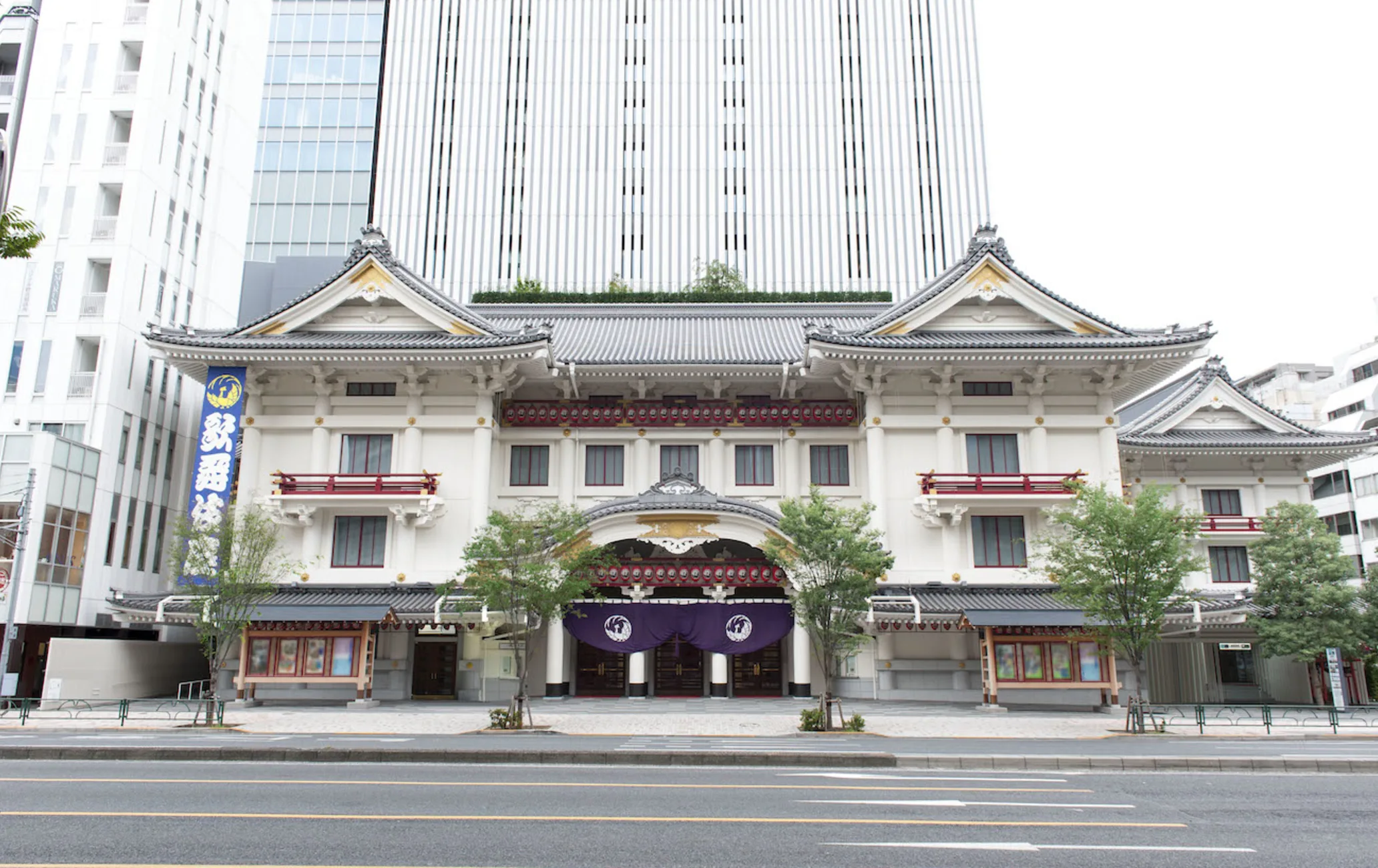
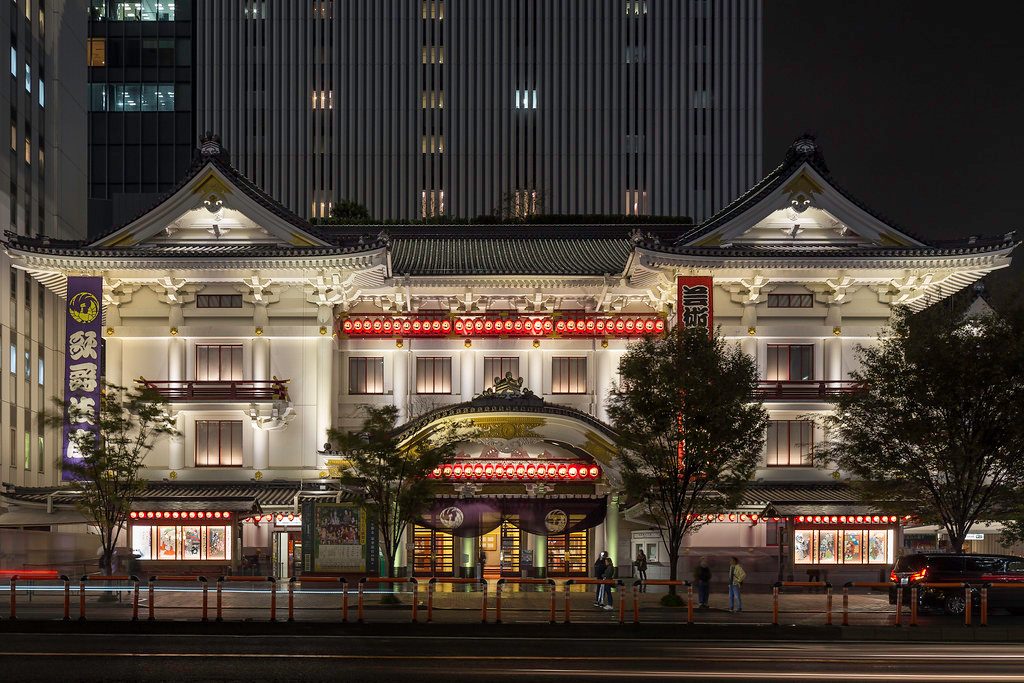
Kabukiza Theatre has staged kabuki performances without interruption since 1889, surviving earthquake, war, and the pressures of modern entertainment to remain Japan's principal venue for the art form.
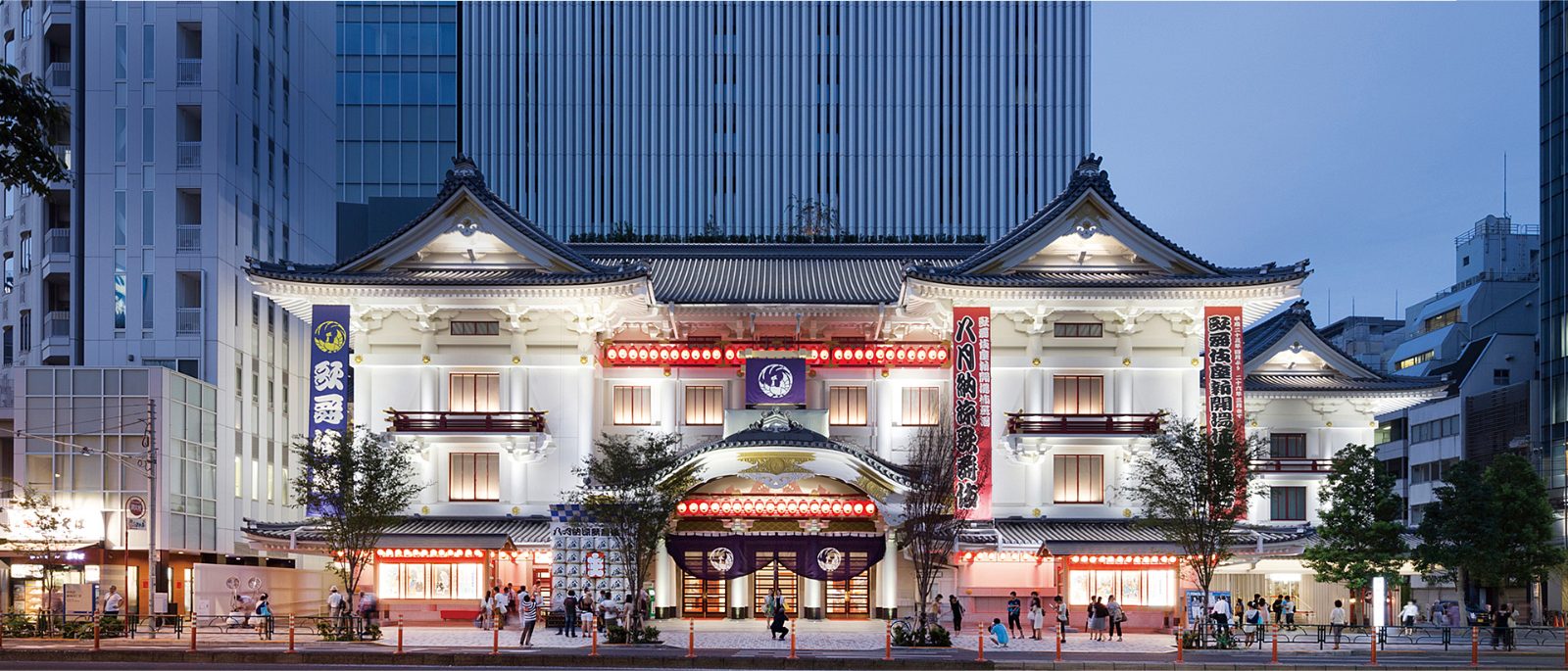
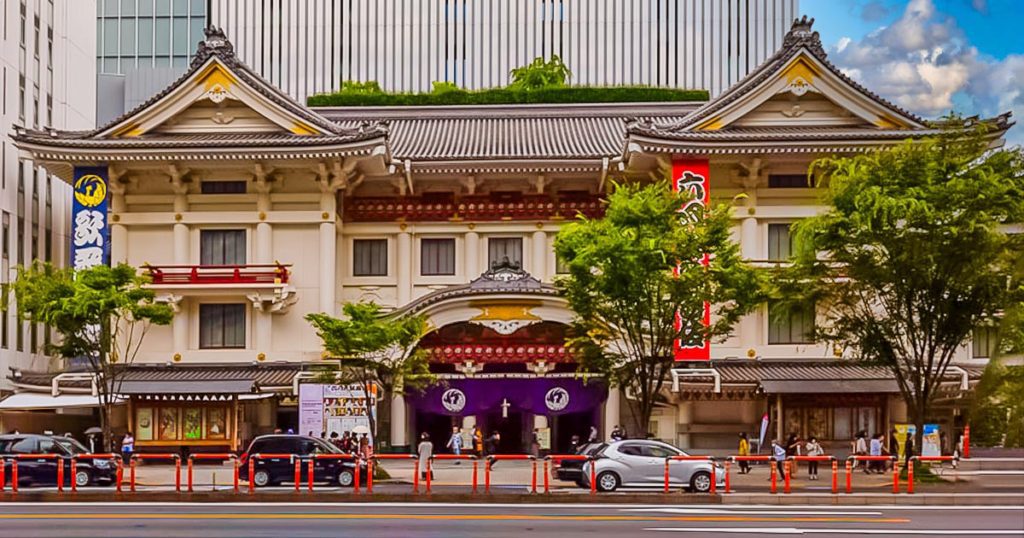
The current structure, completed in 2013, is the fifth iteration on this site—a steel-framed building clad in traditional Momoyama-period architectural details, its curving gables and vermillion columns rising above the glass towers of Ginza's fourth district. The facade alone signals the deliberate preservation effort: cypress wood imported from Kiso Valley, handmade roof tiles fired in kilns that supply imperial projects, bronze fittings cast using techniques documented in Edo-period manuals. Inside, the theater seats 1,808 across four levels, each sightline calculated to preserve the intimacy kabuki demands despite the scale required for financial viability in central Tokyo real estate.
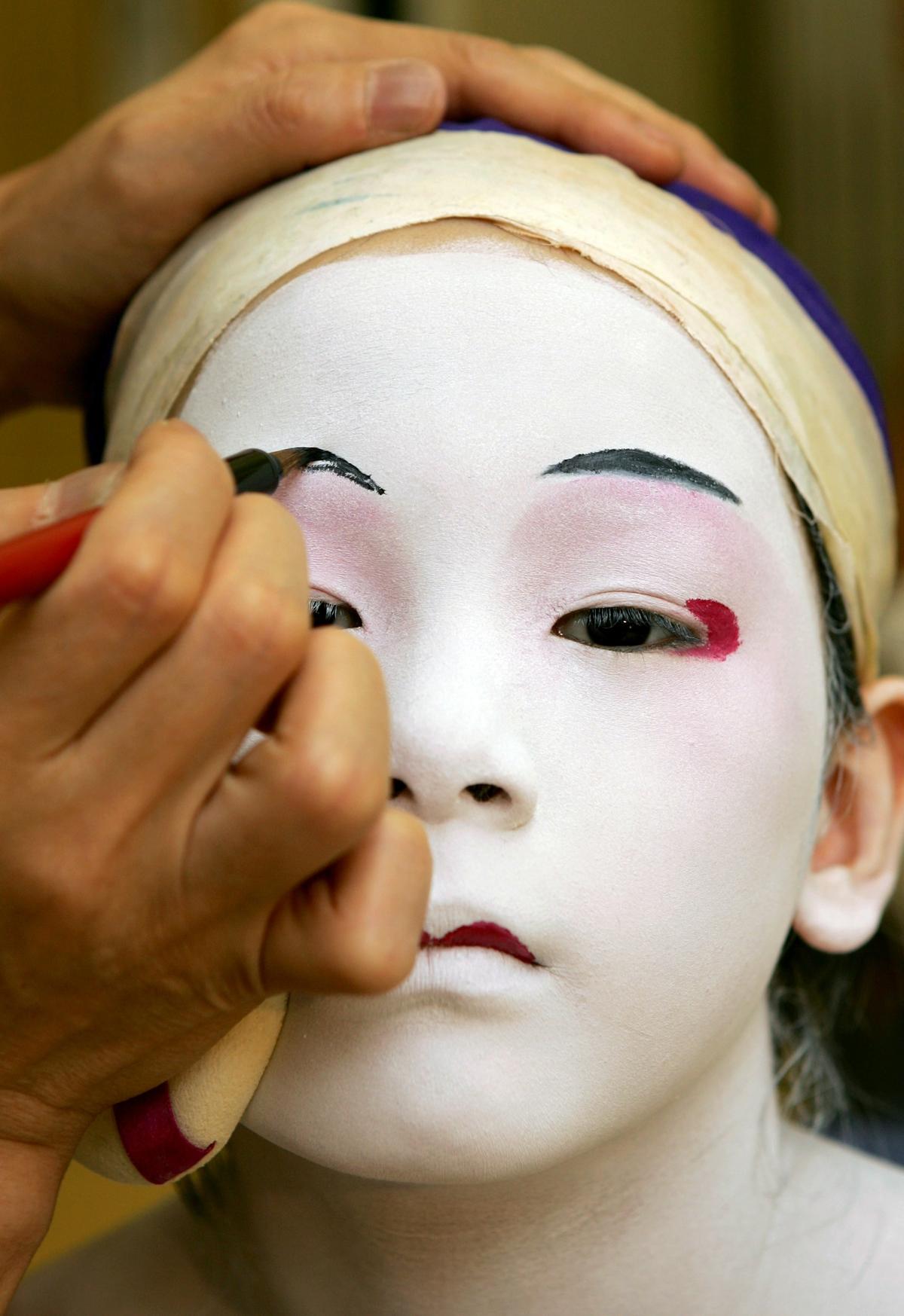
Kabuki itself emerged in the early 1600s as popular entertainment, a counterpoint to the austere restraint of noh theater. Where noh served the samurai class with minimalist allegory, kabuki offered urban merchants stylized melodrama, acrobatic fight choreography, and the onnagata tradition—male actors specializing in female roles with such precision that the boundary between performer and character dissolves. The art form codified over centuries into eighteen classical plays, the kabuki jūhachiban, which form the repertoire core. Productions at Kabukiza Theatre rotate monthly, each program running 25 days with matinee and evening performances. A single kabuki show tokyo tour can span four to five hours, structured in acts that allow theatergoers to witness either the full narrative arc or purchase single-act tickets for signature scenes.
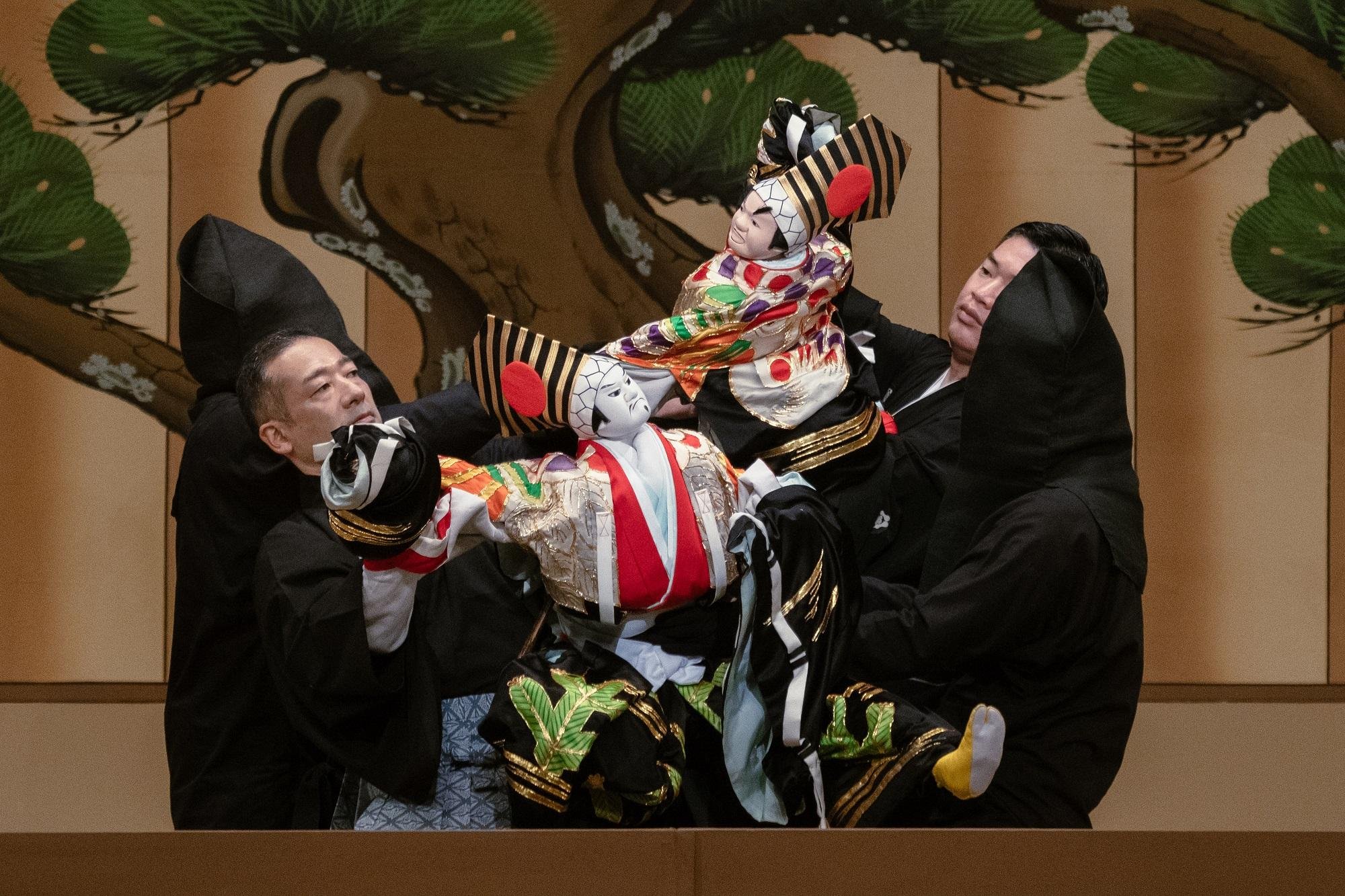
The hanamichi runway—a walkway extending from stage left through the audience to the rear of the house—remains kabuki's signature spatial innovation. Actors make entrances and exits along this elevated path, pausing at the shichi-san, a marked point seven-tenths of the distance from the stage, for moments of mie: stylized poses held in silence while the audience absorbs the emotional or dramatic weight. Kabuki theater tokyo performances preserve the geza musicians, seated stage right behind a bamboo screen, who provide live shamisen accompaniment, wooden clappers that punctuate scene transitions, and atmospheric sound effects produced by instruments unchanged since the form's inception. The combination of live music, elaborate costume changes executed in full view, and the kuroko stagehands dressed in black who move props and assist actors while considered invisible by convention creates a theatrical vocabulary distinct from Western dramatic traditions. Kabukiza Theatre tickets for single acts—starting at 1,000 yen—make the experience accessible without requiring the endurance or schedule flexibility a full program demands, and same-day availability means kabuki show tokyo today remains an option even for spontaneous visitors.

"The hanamichi runway extends kabuki's stage into the audience, collapsing the distance between spectator and the stylized world unfolding before them."
A step-by-step walkthrough of Kabuki Show Tokyo tickets — what you'll see, how long each stage takes, and the details that matter.
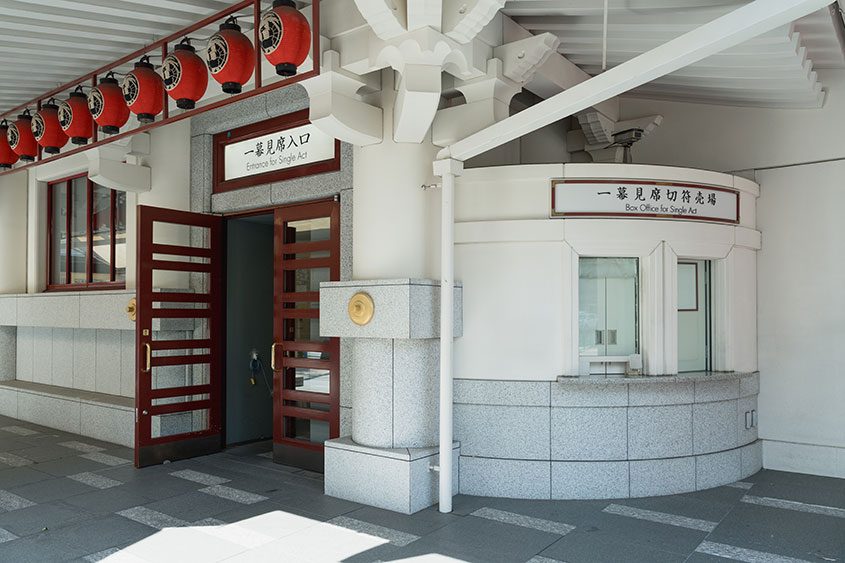
You arrive at Kabukiza Theatre's ground-floor ticket counter before the morning performance, where same-day single-act tickets go on sale an hour before curtain.
The staff directs you to the fourth-floor gallery entrance, reserved for single-act purchasers, and you climb past the main lobby with its lacquered columns and hanging lanterns. At your seat, you receive an English-language audio guide and earpiece, synced to provide real-time translation and context as the performance unfolds below.
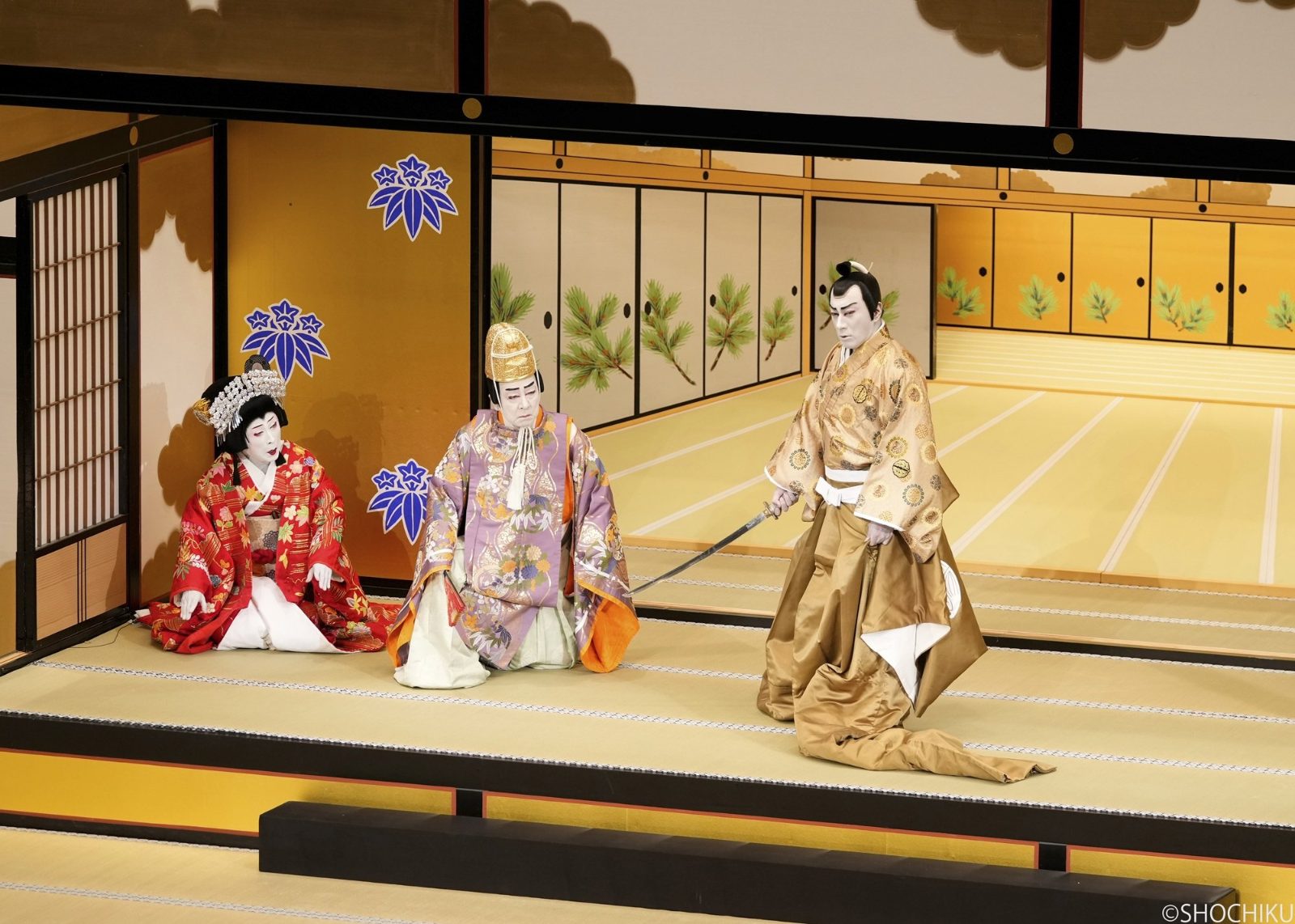
The lights dim. Wooden clappers—hyōshigi—crack twice, and the curtain slides open to reveal a interior set painted in forced perspective, its colors saturated beyond realism. An actor in a kimono weighted with embroidered silk enters along the hanamichi, moving with the deliberate, ground-hugging glide kabuki demands, each gesture elongated and held a beat longer than naturalism would allow. You watch the onnagata performer execute a dance sequence, the fan work so precise that the prop becomes an extension of the character's emotional state. When the actor strikes a mie pose—eyes crossed, head turned sharply, one arm extended—the entire house falls silent for three full seconds. The geza musicians behind their screen accelerate the shamisen tempo, and the scene builds toward a stylized sword fight, each clash choreographed to land on the beat. Kabuki show tokyo tickets grant you seventy minutes inside this closed world, enough to understand why the form has survived four centuries without compromise.
The Kabukiza Theatre is open from 10:00–18:00 daily.
Yes, the theatre is equipped with elevators and accessible seating for visitors.
Large bags are prohibited in the auditorium; use the coin lockers at the Kabukiza Theatre.
Photography is not allowed inside the theatre during the performance.
Arrive between 10:00–17:00 to secure your kabuki show tokyo tickets.
There is no formal dress code, but most guests dress in smart casual attire.
Outside food is not permitted in the auditorium, though you can buy snacks at the Kabukiza Theatre.
The theatre is located at 4-12-15 Ginza and is best reached by subway to Higashi-Ginza Station.
Yes, families are welcome, but children should be able to sit quietly during the show.