
English| EUR
Suggested for you
More currencies
Choose a language
Kabukiza Theatre in Ginza maintains no formal dress code, yet the question of appropriate attire persists among first-time visitors. Understanding theater etiquette and visitor expectations ensures a respectful experience in one of Tokyo's most iconic cultural venues.
Quick answer
There is no formal kabuki theater Tokyo dress code at Kabukiza Theatre. Smart casual attire is appropriate—collared shirts, trousers, dresses, and closed-toe shoes are common choices. Visitors attend in everything from business casual to traditional Japanese garments, though excessively casual wear such as athletic shorts or beachwear is discouraged out of respect for the performance.
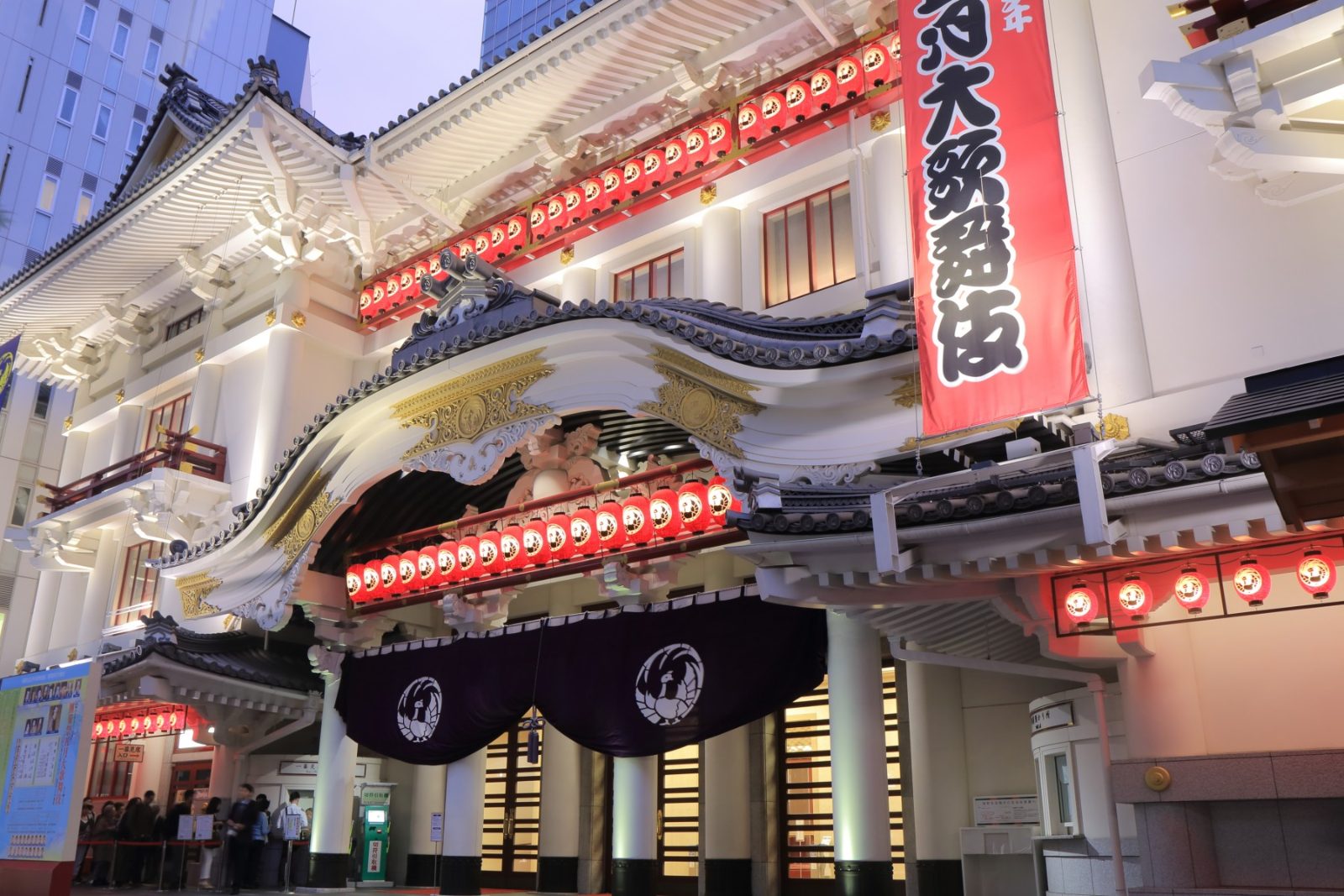
Kabukiza Theatre operates without a mandatory dress code, a departure from the formal requirements visitors might associate with Western opera houses. The venue welcomes a broad spectrum of attire, reflecting kabuki's status as both a refined art form and an accessible cultural tradition. Regular patrons appear in business attire during weekday matinees, while weekend audiences lean toward smart casual choices—button-down shirts, modest dresses, slacks, and loafers. Traditional Japanese clothing, including kimono and yukata, appears frequently and draws no special attention; these garments carry cultural resonance within the theater and are worn by both Japanese nationals and international visitors. The kabuki theater Tokyo dress code expectation centers on respect rather than formality. Flip-flops, athletic wear, and heavily distressed garments stand out as inappropriate, not because of written rules but because they signal disregard for the shared experience. Kabukiza's interior—a four-story auditorium lined with lacquered woodwork and traditional motifs—establishes a visual context that informs attire choices. The theater's design draws from Momoyama-period architecture, and its ornate lobby sets a tone that casual resort wear disrupts. Practical considerations matter as much as appearance. The theater maintains cool air conditioning year-round, particularly during Tokyo's humid summer months, making layered clothing advisable. Seats in the upper tiers require navigating steep staircases, so stable footwear becomes functional rather than merely courteous. Photography is prohibited during performances, and mobile devices must remain silenced—etiquette rules that extend the theater's culture of attentiveness. Eating is restricted to designated intermission areas, where traditional bento boxes and tea are sold; the restriction stems from the theater's acoustic design, which amplifies even subtle sounds. The attire guide for Kabukiza Theatre aligns with broader Japanese principles of omotenashi—considerate behavior that anticipates the comfort of others. Visitors who dress with intention rather than extravagance find themselves well-suited to the environment. The theater's location at 4-12-15 Ginza places it within Tokyo's commercial heart, where business and leisure attire coexist naturally. Single-act tickets, priced between 1,000 and 3,500 JPY, attract a younger demographic that often favors understated modern clothing, while full-program attendees may invest greater care in their presentation. The variability reflects kabuki's dual identity: a centuries-old performance tradition and a living art practiced in a contemporary metropolis.
“Kabukiza welcomes attire that signals respect for the shared experience, not adherence to rigid formality.”
Kabukiza Theatre has no formal dress code, but visitors should dress modestly and respectfully for this traditional performance venue. Silence, device management, and considerate behavior preserve the experience for all patrons.
Visiting Kabukiza Theatre requires navigating the Ginza location, choosing between full-play advance tickets or walk-up single-act options, and entering through the designated audience areas. The entire process from arrival to seated takes 20–40 minutes depending on ticket type.
The theater is located at 4-12-15 Ginza, Chuo-ku, Tokyo. Arrive during the 10:00–17:00 window to secure single-act tickets before they sell out, as availability is limited and first-come basis.
Full-play tickets are typically reserved in advance, but single-act tickets (1,000–3,500 JPY per act) are sold on-site. The box office opens at 10:00; visitors often mistakenly assume all performances require advance booking.
After payment, you'll receive your ticket stub and any program materials. Keep the stub visible, as staff check it at multiple points before you reach your seat.
Follow signage to the main audience entrance, not the side exits or staff doors. First-time visitors sometimes head toward the gallery entrance by mistake, which serves a different seating section.
Seating assignments are printed on your stub; aisles are clearly marked by section. Arriving at least 10 minutes before curtain time ensures you're settled, as latecomers are held until scene breaks.
The Kabukiza Theatre maintains consistent daily operating hours throughout the week to accommodate visitors. The facility remains open to the public every day of the week.
Kabukiza Theatre ticket pricing depends on whether visitors choose a full-length performance or a single-act ticket. Prices fluctuate based on the specific act and seat selection.
Verdict: A typical visitor pays between 1,000 JPY and 3,500 JPY for a single-act ticket, with costs dictated by the specific production and seat location.
The best arrival window is between 10:00–17:00 to ensure sufficient time to secure single-act tickets before they sell out. Visiting during this period allows for a more measured pace when navigating the theater facilities.
—
Arriving early minimizes wait times for single-act tickets.
Pleasant, 15°C to 23°C
Expect increased attendance during these temperate months.
Mild, 12°C to 20°C
Local cultural events often increase theater activity levels.
Chilly, 5°C to 10°C
Indoor performances offer a comfortable environment away from colder temperatures.
Verdict: Tuesday to Thursday, arriving at 10:00, during the months of April or October provides the most reliable experience.
Everything you need to know about kabuki theater tokyo dress code
There is no strict official kabuki theater tokyo dress code enforced at the venue. Visitors are encouraged to dress in neat, respectful attire that avoids being overly revealing or distracting to others in the auditorium.
While many locals opt for smart-casual clothing or traditional kimono, you will find a mix of styles in the audience. Comfort is key during the long performances, so prioritize practical shoes and clothing that keeps you comfortable while seated.
Yes, casual clothing is perfectly acceptable for attending a show. You do not need to wear formal evening wear, as the atmosphere focuses on the cultural experience rather than a high-fashion display.
You are not required to dress up to enjoy a performance at the Kabukiza Theatre. Guests often wear everyday business-casual or neat street clothes without any issues during their visit.
Most travelers find that adhering to a smart-casual standard for their kabuki theater tokyo dress code serves them best. This ensures you feel comfortable while blending in seamlessly with the rest of the theater attendees.
There are no specific clothing restrictions at the facility. Simply avoid wearing items that could block the view of those behind you, such as very tall hats or large, bulky accessories that may disrupt the performance space.
The dress expectations remain consistent regardless of the time of day or the specific production being staged. Whether you are viewing a single act or a full program, standard respectful attire is always the appropriate choice.
There is no distinction in expectations between local residents and international visitors regarding personal appearance. Everyone is welcome to enjoy the performance as long as they observe general theater etiquette and respect the quiet atmosphere of the hall.