
English| EUR
Suggested for you
More currencies
Choose a language
Kabukiza Theatre runs a rotating monthly program with multiple performances daily, but the schedule changes every production cycle. Understanding how the calendar works—and when single-act tickets go on sale—determines whether you catch a matinee or evening show.
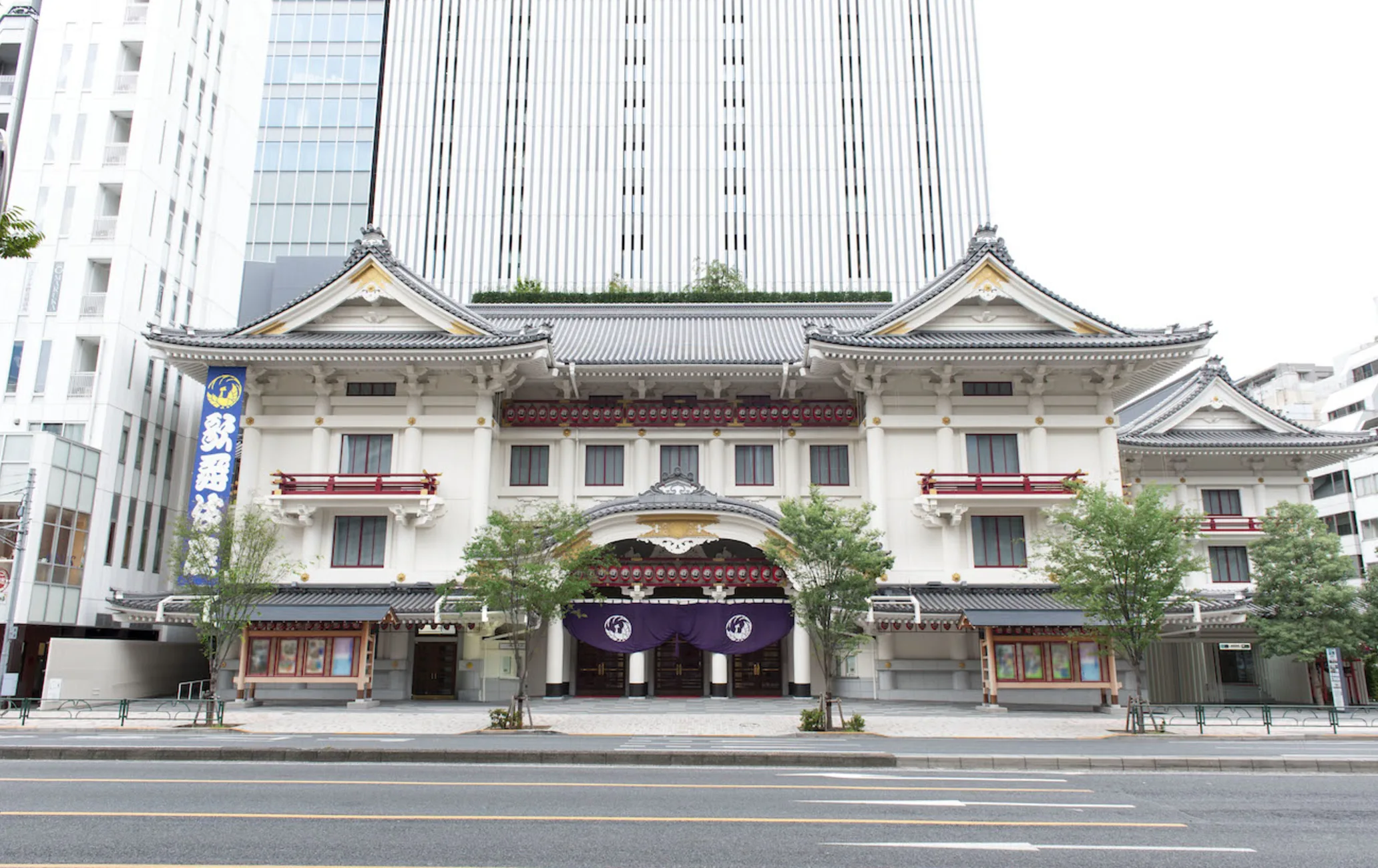
Quick answer
Kabukiza Theatre operates daily from 10:00 to 18:00, with performances typically scheduled as matinee and evening sessions throughout each monthly program. Single-act tickets, priced between 2,000 and 3,500 JPY depending on the production, are available for purchase on the day of performance. The theatre's monthly calendar rotates programs, so checking the current lineup before your visit ensures you select a performance that matches your schedule.
Kabukiza Theatre replaces its entire program every month, a scheduling rhythm that has governed Tokyo's kabuki calendar for decades. Each production run spans roughly 25 days, with the theatre dark for a few days between cycles while crews rebuild sets and actors rehearse the next repertoire. The monthly rotation means that the kabuki theater Tokyo schedule you consult in August will bear no resemblance to September's lineup—titles, casting, and even the number of acts per day shift with each new program. Most months feature two performances daily: a matinee beginning around 11:00 and an evening show starting near 16:30. Full programs run three to four hours, divided into multiple acts with intermissions. Visitors planning around a tight itinerary often choose single-act entry, a ticketing format that allows you to watch one standalone piece rather than the entire program. These single-act seats open for sale on the morning of the performance at the fourth-floor ticket counter, and the 2,000 to 3,500 JPY price makes them the most accessible entry point for first-time audiences. Demand varies by act—historical dramas and dance pieces with famous leads sell faster than dialogue-heavy domestic scenes—so arriving when the box office opens ensures better seat selection. The Kabukiza performance calendar is published on the official website approximately two months in advance, listing each day's program title, act breakdown, and principal performers. Seasonal programming follows loose thematic patterns: January features ceremonial New Year plays, summer months lean toward ghost stories and supernatural plots, and November traditionally showcases full-length classics. The theatre remains open year-round with no extended closure periods, though individual performance dates may shift during national holidays or when a production ends mid-week. Confirming the current month's schedule before purchasing same-day tickets prevents confusion at the counter, especially during transition weeks when the program changes over. Audiences seated in the upper galleries can rent earphone guides in English that provide real-time scene summaries and character explanations, a tool that turns a four-hour program into a navigable narrative even for non-Japanese speakers. The theatre's gallery also holds a small museum and rooftop garden, both included with your ticket and accessible during intermissions. These spaces remain open throughout the building's operating hours, allowing early arrivals to explore before curtain or latecomers to visit after the final act concludes.
“Each production run spans roughly 25 days, with the theatre dark for a few days between cycles while crews rebuild sets and actors rehearse the next repertoire.”
The Kabukiza Theatre maintains consistent daily operating hours throughout the week to accommodate visitors. The facility is open seven days a week.
Admission fees for the Kabukiza Theatre depend on whether you are purchasing a full-length performance ticket or a single act ticket. Prices vary based on the specific production and seating selection.
Verdict: A typical adult pays between 2,000 JPY and 3,500 JPY for a single act, with final costs determined by the specific performance schedule.
The best arrival window for the Kabukiza Theatre is 10:00–17:00. Arriving during this period helps you avoid peak crowds and provides sufficient time to purchase same-day single act tickets before performances commence.
—
Arriving early in the week allows for easier access to single-act ticket counters. This window provides the most consistent schedule for planning your day.
Mild 15°C to 20°C
April features the Natsu Basho and significant cultural interest. Expect higher visitor numbers and plan to arrive well before your preferred performance time.
Pleasant 18°C to 23°C
October often hosts special commemorative programs. These seasons are popular, so maintain flexibility in your schedule to accommodate potential lines for ticket purchases.
Verdict: The best time to visit is Tuesday to Thursday within the 10:00–17:00 window during the mid-spring or mid-autumn months.
This itinerary suits first-time visitors planning a half-day cultural experience at Kabukiza Theatre. Allow 4–5 hours to explore the venue, purchase tickets, and watch one or more acts.
Head to the main entrance on Harumi-dori Street. The box office opens at 10:00, giving you time to browse same-day single-act tickets before afternoon performances begin.
Visit the ticket counter on the ground floor to buy Hitomaku-mi (single act) tickets for the performance of your choice. Expect a short wait during popular program runs.
Take the elevator to the fifth-floor gallery to view costumes, props, and historical kabuki artifacts. The gallery typically takes 30–40 minutes to tour at a comfortable pace.
Step outside to one of the nearby Ginza restaurants or cafes within a five-minute walk. Return at least 20 minutes before your scheduled act begins.
Enter the auditorium and find your seat; performances are punctual. A single act runs 60–90 minutes, and English audio guides are available for rent at the entrance.
Exit to the rooftop garden on the fifth floor for a brief rest and views over Ginza. This quiet space is open to all ticket holders and provides a moment to reflect before departing.
The Kabukiza Theatre is located at 4-12-15 Ginza, Chuo-ku, Tokyo, 104-0061, Japan. The most direct access is via the Hibiya Line or Asakusa Line to Higashi-ginza Station, which provides basement-level entry directly into the theater complex.
Hibiya Line to Higashi-ginza Station
Asakusa Line to Higashi-ginza Station
JR Yamanote Line to Yurakucho Station
Drop-off at the main entrance on Harumi-dori Avenue
For the smoothest arrival, utilize the direct underground passage from Exit 3 of Higashi-ginza Station to reach the theater lobby without needing to navigate street-level intersections. Travelers should aim to arrive within the recommended window to ensure sufficient time for entry logistics.
Kabukiza Theatre maintains strict decorum standards to preserve the experience for all attendees. Photography and recording are prohibited during performances, and silent observation is expected once the curtain rises.
Everything you need to know about kabuki theater tokyo schedule
You can view the most accurate kabuki theater tokyo schedule by visiting the official KabukiWeb site. This portal provides comprehensive listings for all upcoming matinee and evening performances.
To organize your trip, check the kabuki theater tokyo schedule alongside your broader itinerary of Ginza landmarks. Planning your visit ensures you can enjoy the elaborate costumes and dramatic makeup characteristic of this classical theater form.
Yes, single act tickets are often available, allowing visitors to view a portion of the production. These individual act prices vary per performance, typically ranging from 2,000 to 3,500 JPY.
We recommend arriving between 10:00 and 17:00 to avoid peak crowds and ensure sufficient time to purchase same-day single act tickets. This window allows for a smoother entry before the theatrical curtains rise.
The entrance fee starts from 2,000 JPY, though specific pricing fluctuates based on the selected performance. Please refer to the official site for real-time cost details regarding your preferred show dates.
While you can book full-length performances in advance, same-day tickets for single acts are handled on-site. Consult the kabuki theater tokyo schedule on the official website to identify which performances offer these flexible viewing options.