
4 hr 30 min
Kabuki Performance at Ginza's Historic Kabukiza Theatre
Witness Japan's UNESCO-recognized theatrical tradition at the world's only venue devoted entirely to Kabuki
Reserve
Hand-picked by our editors — only the best 5 experiences from 18 reviewed.
Verified partners for every tour, free cancellation where available, and instant confirmation on every booking.
4 hr 30 min
Witness Japan's UNESCO-recognized theatrical tradition at the world's only venue devoted entirely to Kabuki
Reserve
2 hr
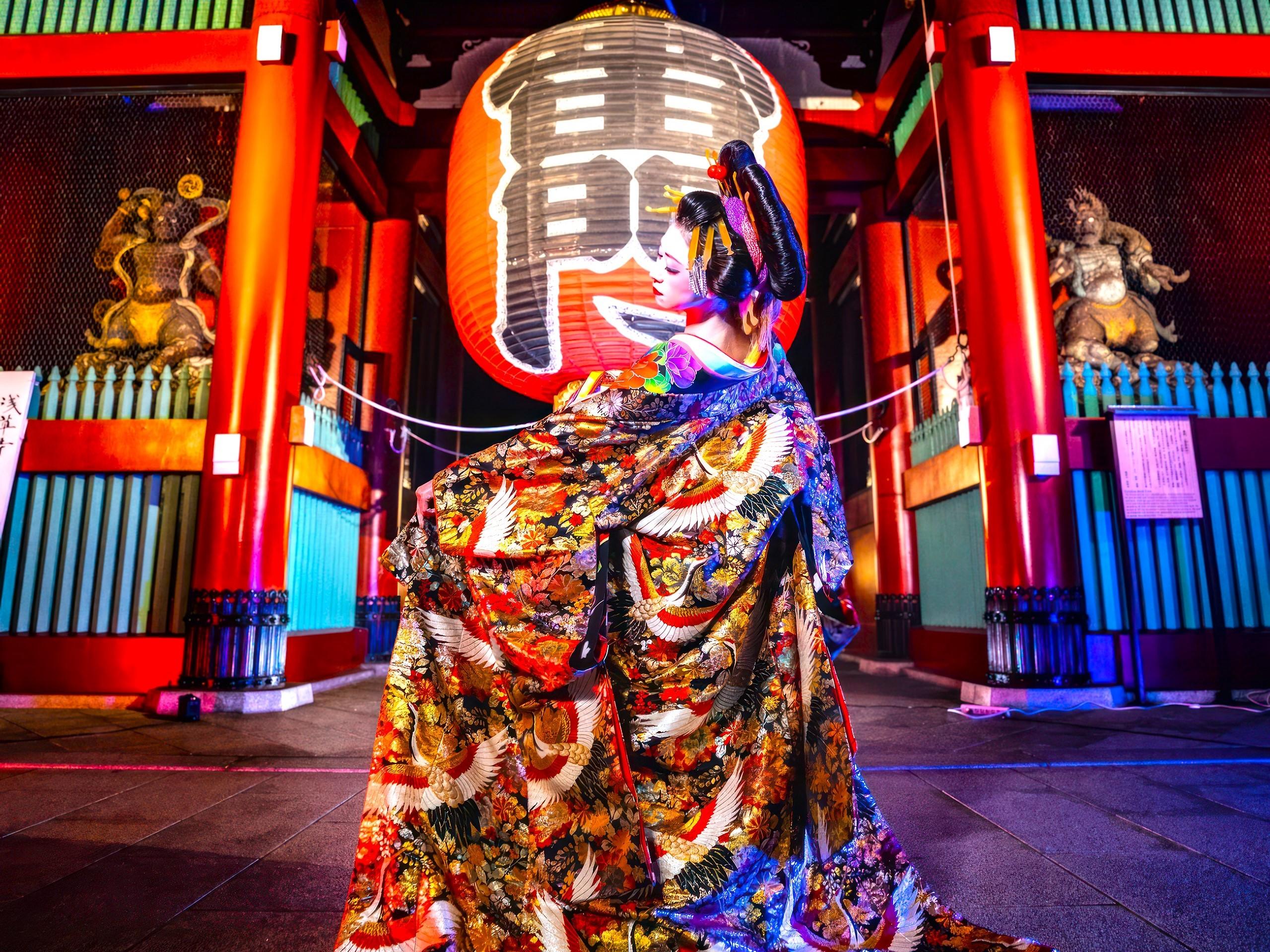
Experience a fusion of traditional Japanese dance and modern beats at Tokyo's premier cabaret theater
Reserve
3 hr
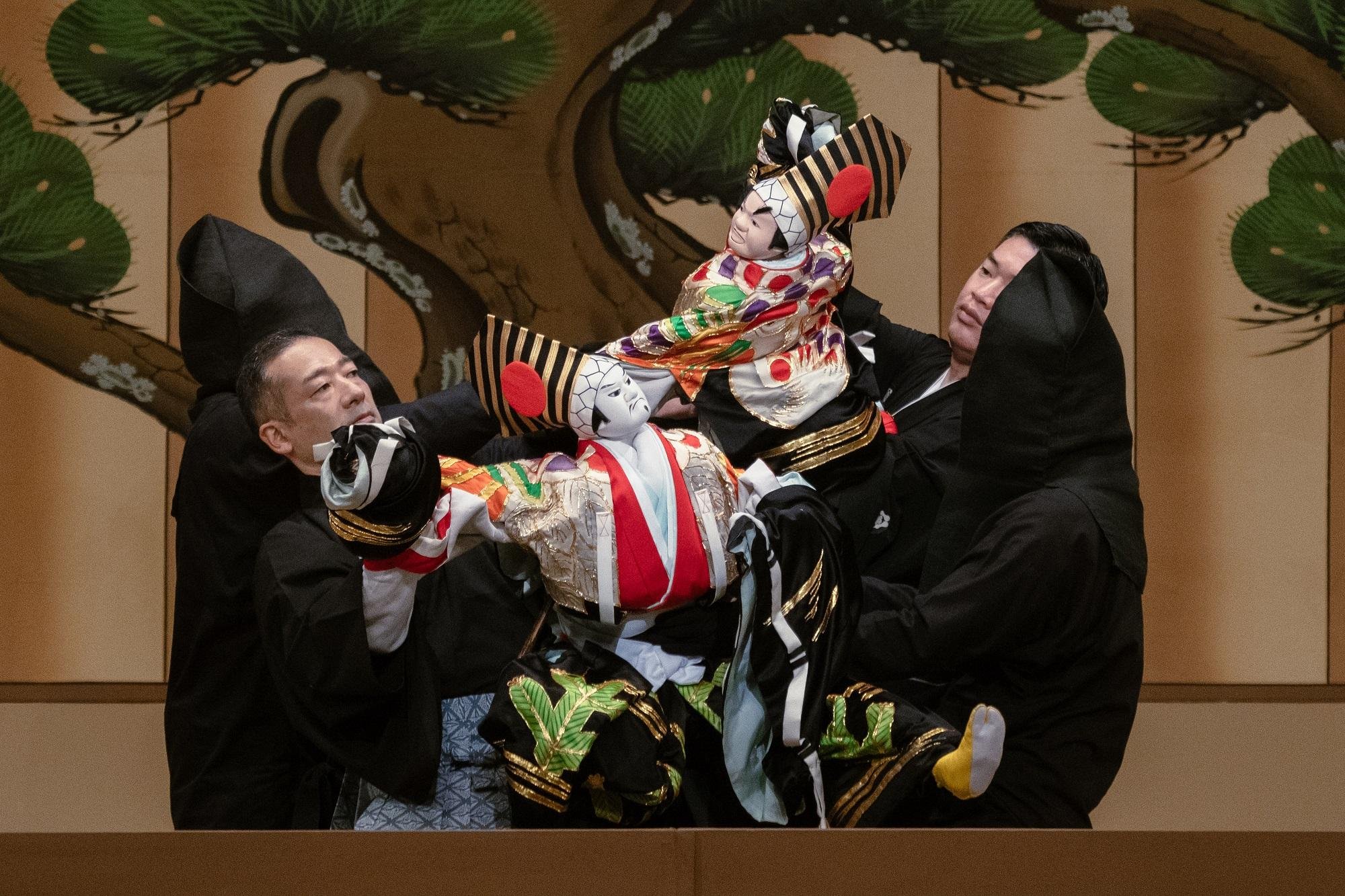
Witness centuries-old performing arts by master artists at Japan's premier cultural institution
ReservePrices from verified partners. Availability updates in real time at checkout. Free cancellation policies apply where shown.
The landmarks, rooms, and views travelers on this tour remember — all visible on a single visit.
Located on the second basement level, this bustling area offers authentic snacks and souvenirs for all visitors.
This 5th-floor space features educational exhibits on theatrical history and costumes.
A tranquil outdoor space on the 5th floor that provides a peaceful contrast to the Ginza city streets.
A striking vermilion staircase that connects the 4th and 5th levels of the building.
The heart of the Kabukiza Theatre where traditional performances are held on a professional stage.
They complement each other; most visitors who do both find the Kabukiza Theatre the more immersive traditional environment, while the National Theatre provides a more accessible introduction. Exploring these Tokyo landmarks requires selecting the venue that best fits your interest in classical performance arts.
| Feature | Top pick Kabukiza Theatre | National Theatre Japan |
|---|---|---|
Venue Atmosphere |
Ornate traditional aesthetic | |
Primary Audience |
Devoted enthusiasts and tourists | |
Language Accessibility |
Limited, mostly Japanese | |
Historical Significance |
Central hub since 1889 | |
Performance Style |
Classical, authentic staging | |
Ticket Complexity |
Advanced booking recommended | |
| See tickets → |
Verdict: Choose Kabukiza Theatre for a grand, historic atmosphere when securing your kabuki theater tokyo tickets tours, or prioritize the National Theatre for clearer educational support.
Choose your ticket, select your date, and reserve in under two minutes. Secure checkout handled by our verified partner.
Instant confirmation by email, with a mobile voucher you can save offline. No printing, no queuing at a collection desk.
Arrive at the entrance, show your voucher on your phone, and walk in. Most tickets include priority or skip-the-line access.
Practical details for your visit straight from our verified partners — hours, access, rules, and how to get there.
4-12-15 Ginza, Chuo-ku, Tokyo
Located on the 2nd basement level for ticket collection.
Take the Hibiya Line or Asakusa Line to Higashi-Ginza Station; Exit 3 provides direct access to the theatre.
There is no formal dress code, but smart casual attire is common for those attending a kabuki theater tokyo tickets tour. Avoid wearing large hats or bulky headwear that could obstruct the view of other audience members.
Large luggage should be stored at station lockers, as space in the Kabukiza Theatre is limited. Security checks may be conducted, and visitors are expected to maintain silence inside the auditorium.
Photography is strictly prohibited inside the auditorium during performances. Visitors may capture memories of the exterior architecture and the designated areas of the Kabukiza Gallery.
The Kabukiza Theatre provides elevators and wheelchair-accessible spaces for guests. Visitors requiring assistance should notify staff upon arrival at the Kabukiza Theatre.
Mobile phones must be powered off or set to silent mode before entering the auditorium. Using phones for photography or texting during a kabuki theater tokyo tickets tour is strictly forbidden.
Children aged 4 and older require a ticket to enter the Kabukiza Theatre. Families should ensure children can remain quiet during the long kabuki theater tokyo tickets performances.
Food and drink are available for purchase at Kobikichō Square and inside the theatre. Guests may enjoy boxed meals during intermissions in their assigned seats.
Pets are not permitted inside the Kabukiza Theatre. Service animals may be allowed with prior authorization; please contact the venue directly.
Rental English audio guides are available for a fee to enhance your kabuki theater tokyo tickets experience. Arriving during the 10:00–17:00 window helps avoid the busiest entry times.
4-12-15 Ginza, Chuo-ku, Tokyo
Located on the 2nd basement level for ticket collection.
Get directionsBest time to go, insider tips, nearby landmarks, and the cancellation fine print — flip through to skim what matters to you.
How crowds, weather, and events shift across the year.
Mild weather is perfect for exploring the rooftop garden and gallery area before your kabuki theater tokyo tickets session.
Enjoy the indoor air-conditioned comfort of the theater during the warmer months.
Pleasant temperatures make this a popular time for local residents to attend a kabuki theater tokyo tickets tour.
Often less crowded, providing a quieter atmosphere for visitors to appreciate the cultural depth of the performances.
Small details that turn a good visit into a great one.
Visit the dedicated box office window on Level 1 to purchase single-act kabuki theater tokyo tickets on the day of the show.
Rent an English-language audio guide to gain a deeper understanding of the performance narrative and cultural nuances.
Enjoy a bento meal at your seat during the intermission to experience a traditional part of the kabuki theater tokyo tickets routine.
Explore the 5th-floor gallery and rooftop garden for free to see rotating exhibits about stage history.
The best arrival window is 10:00–17:00, which helps you bypass peak performance entry rushes.
While there is no strict dress code, comfortable shoes are recommended for navigating the multi-level theater.
Non-bookable sights within a short walk — free to visit, easy to pair.
A historic department store known for its luxury goods and shopping experiences.
Flexible, no hidden fees.
Tickets for kabuki theater tokyo tickets performances cannot be returned or exchanged after purchase. Ensure your performance date aligns with your travel plans as all sales are final.
Hand-picked options within walking distance — pick a district for vibe, or a specific hotel for convenience.
The surrounding area offers numerous high-end hotels within walking distance.
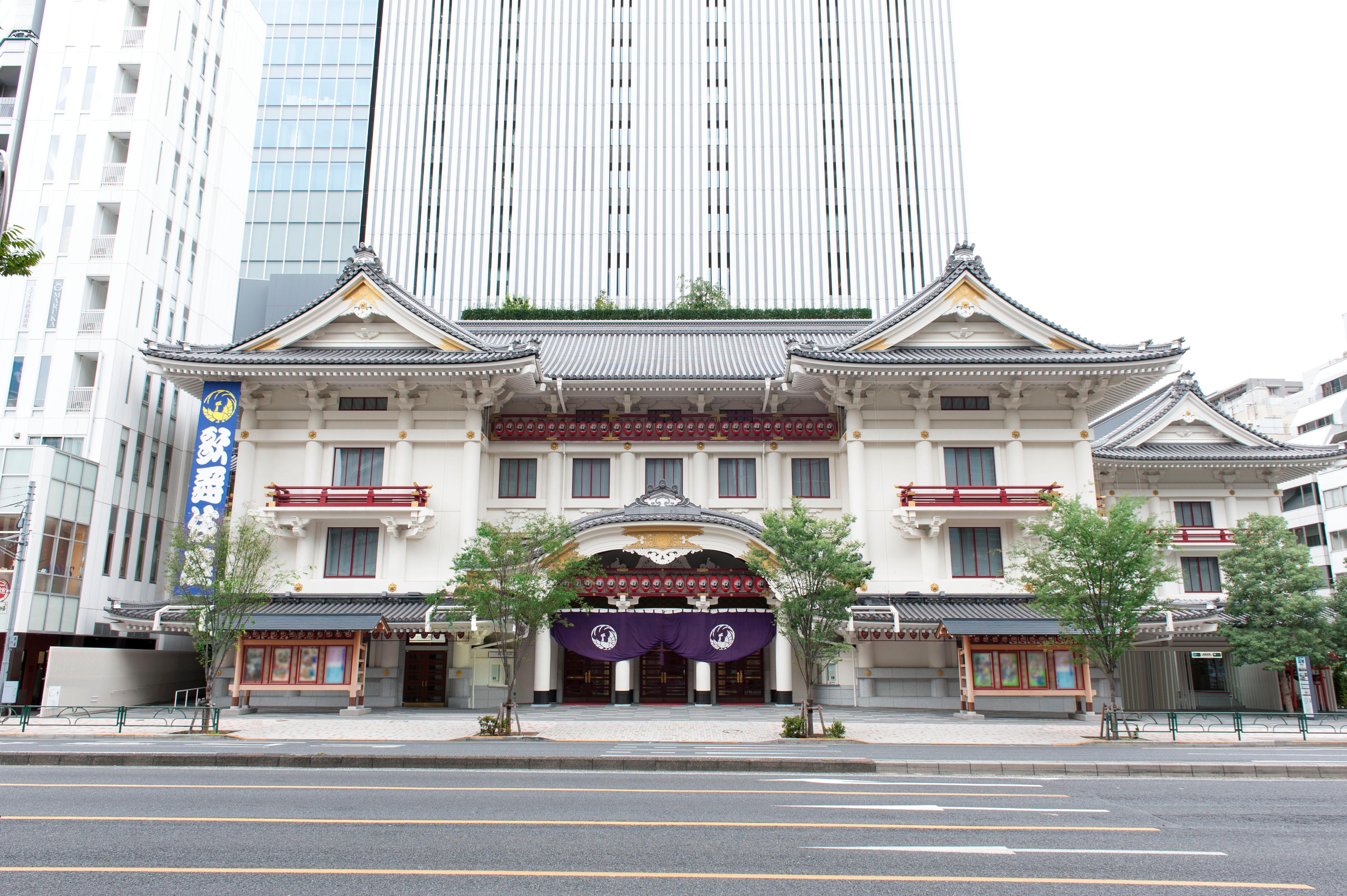
The Kabukiza Theatre in Ginza has stood as Tokyo's kabuki epicenter since 1889, surviving earthquake, fire, and war to emerge in its current form in 2013—a steel-reinforced structure wrapped in a faithful reproduction of the 1924 façade. The building's pagoda-style tower and cypress-bark roof evoke Momoyama-period castle architecture, while the auditorium inside seats 1,808 patrons beneath a ceiling painted to resemble the sky at dusk. Kabuki itself, a UNESCO Intangible Cultural Heritage, originated in the early Edo period when female performers scandalized Kyoto with subversive street dances; by 1629 the shogunate had banned women from the stage, giving rise to the onnagata tradition of male actors specializing in female roles. Today's kabuki repertoire spans historical epics, domestic tragedies, and dance pieces, all performed in a stylized idiom that fuses chanted dialogue, shamisen accompaniment, and kumadori makeup. Kabuki theater Tokyo tickets offer access to a living art form that has adapted without diluting. The hanamichi runway still bisects the audience, allowing actors to make dramatic entrances through the crowd. Stagehands dressed in black manipulate scenery in full view, a convention that renders them invisible by cultural agreement. The maku curtain—striped in green, rust, and black—snaps open with a clatter of wooden clappers, and performances unfold in acts that can stretch across an afternoon or be sampled individually through single-act tickets introduced to accommodate modern schedules. The Kabukiza Gallery on the fifth floor displays costumes, wigs, and stage models, while the basement food hall sells bento boxes designed for intermission dining. Ginza's commercial density makes the Kabukiza an anomaly—a temple of slow spectacle in a district built for speed. The theater operates daily, with matinee and evening programs that rotate monthly. English audio guides and subtitle screens installed in 2018 have opened the form to non-Japanese speakers without altering the performance itself. The building anchors a broader complex that includes the Kabukiza Tower office floors above and a subterranean connection to Higashi-Ginza Station, ensuring that even Tokyo's most traditional stage remains woven into the city's perpetual motion.
"The hanamichi runway bisects the audience, allowing actors to make dramatic entrances through the crowd."
A step-by-step walkthrough of the visit — what you'll see, how long each stage takes, and the details that matter.
You exit Higashi-Ginza Station through the Kabukiza-designated gate and surface directly beneath the theater's tower. The cypress-bark roof and red lanterns signal the threshold between Ginza's glass storefronts and the Edo-period aesthetic within. If you've reserved a single-act ticket, you enter through the fourth-floor entrance and climb to your seat as the shamisen tuning drifts through the lobby. The auditorium is wider than it is deep, ensuring even the furthest seat maintains a clear sightline to the hanamichi. You settle in as the wooden clappers snap and the maku curtain slides open. An onnagata actor glides onto the stage in twelve layers of silk, each gesture calibrated to convey emotion through the tilt of a fan or the angle of a wrist. The dialogue is chanted in a register that hovers between speech and song, while stagehands in black rotate the revolving stage to reveal a new scene—a palace interior, a snow-covered garden—without breaking the action. Subtitles appear on a small screen mounted on the seat ahead, translating the classical Japanese into contemporary phrasing. During intermission you descend to the basement for a bento box, then visit the fifth-floor gallery to examine the kumadori makeup chart and a full-scale model of the stage machinery. By the time you return for the final act, the theater's internal logic has taken hold: the stylization no longer feels remote but clarifying, a way of distilling human drama into its essential shapes.
The Kabukiza Theatre is open from 10:00–18:00 daily.
There is no strict dress code, though smart casual attire is appreciated for your kabuki theater tokyo tickets experience.
Photography is strictly prohibited during performances, though the gallery area has spots for pictures.
Single-act tickets are available for purchase at the box office on the day of the show for those interested in a shorter kabuki theater tokyo tickets tour.
Children over 4 years old require a ticket to enter the Kabukiza Theatre auditorium.
You can visit the lobby, gallery, and Kobikichō Square for free without a performance ticket.
Audio guides are typically available for 800–1,000 JPY, depending on the performance type.
We recommend arriving between 10:00–17:00 to ensure you have enough time to explore the gallery and theater facilities.
Items like professional cameras, tripods, and outside food for the auditorium are prohibited at the Kabukiza Theatre.
Yes, you can visit the shops in Kobikichō Square and the souvenir areas in the Kabukiza Theatre without needing a ticket.